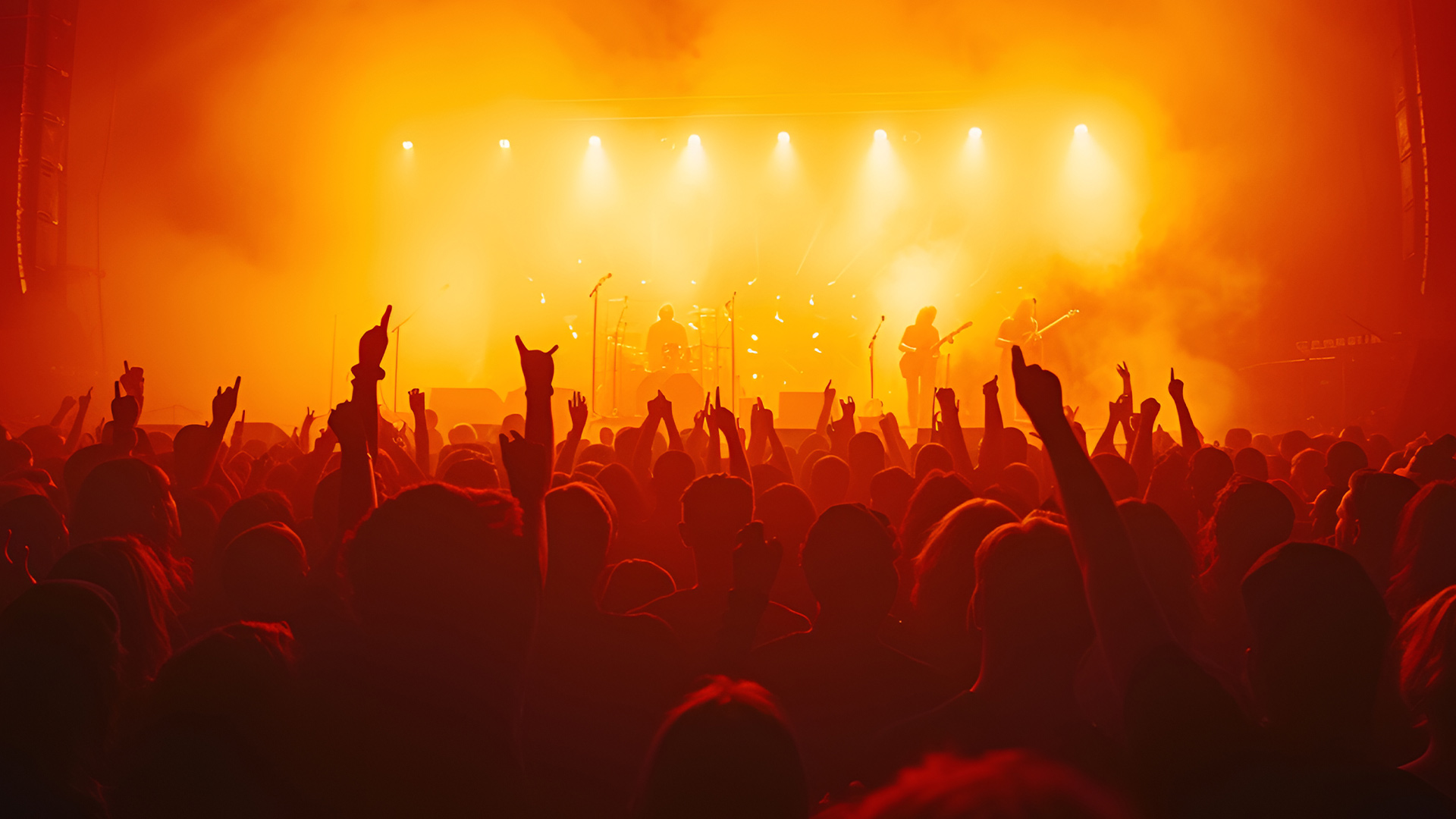
Walk into any major touring concert production in 2024 and the visual language of the stage has fundamentally shifted from what it looked like a decade ago. The reason is pixel mapping — the technique of treating each LED source in a stage lighting rig as an individually addressable pixel in a continuous low-resolution video canvas rather than as a fixture delivering a conventional lighting function. Pixel mapping has dissolved the boundary between the lighting rig and the video wall, creating a new kind of immersive stage environment that neither discipline alone could produce.
The Historical Context: From DMX to Media Server Control
Traditional stage lighting from the earliest theatrical gaslight productions through to the automated moving light revolution of the 1980s was conceived as a functional medium: light existed to illuminate performers and create atmospheric color states. The introduction of DMX512 in 1990 enabled parametric control of intelligent fixture attributes, but the creative framework remained fundamentally functional. The emergence of media server platforms in the mid-2000s — Catalyst, ArKaos, and the early d3 Technologies product — introduced the concept of feeding live video content into lighting fixtures, transforming them from functional devices into low-resolution display elements.
Astera Titan Tubes and the Wireless Pixel Revolution
Astera’s Titan Tube has arguably done more than any single product to mainstream pixel mapping in contemporary stage design. The wireless, battery-powered RGB LED tube — developed in Germany and launched commercially in 2016 — enabled designers to place individually addressable pixel sticks anywhere in three-dimensional space without cable runs or power supply constraints. The ability to deploy a hundred Titan Tubes in floor rows, overhead arrays, and structural set elements — all mapped through Resolume, Disguise, or MA Lighting’s MA 3D visualizer — created a visual vocabulary of sweeping wave-form effects that has since become ubiquitous in major touring productions.
Media Server Architecture for Pixel Mapping
Professional pixel mapping in large-scale productions is managed through media server platforms that bridge the traditional divide between video and lighting departments. Disguise’s GX 2c and vx 4 servers use a native Fixture Patch system that imports the stage’s lighting rig data from the Vectorworks or grandMA3 patch file, plots the physical position of every LED fixture in three-dimensional space, and maps video content to those fixture positions in real time using perspective projection algorithms. This means the video content team can design immersive environmental video that seamlessly flows from the LED video wall onto the lighting rig, treating the entire stage as a single unified canvas.
Notch and Real-Time Generative Pixel Content
The most visually advanced pixel mapping productions use generative real-time content engines — primarily Notch and TouchDesigner — to produce content that responds dynamically to audio input, performer tracking data, and lighting console cue triggers rather than playing back pre-rendered video files. A Notch block running inside Disguise can receive the BPM and frequency analysis of the live audio mix via MIDI or OSC, and generate synchronized pixel animation that breathes and pulses in exact musical synchronization across the combined stage canvas of video walls and pixel-mapped LED fixtures.
The Impact on Stage Design Practice
Pixel mapping has forced a productive creative collision between lighting designers and video directors that is reshaping the structure of production design teams. The concept of a unified production designer who speaks both visual languages — and who designs the stage environment as a single integrated canvas rather than a lighting plot layered over a video plot — has emerged in the work of designers like Es Devlin, Leroy Bennett, and Baz Halpin, whose productions for artists including The Weeknd, Beyoncé, and Adele set the visual benchmark for the contemporary touring industry.
