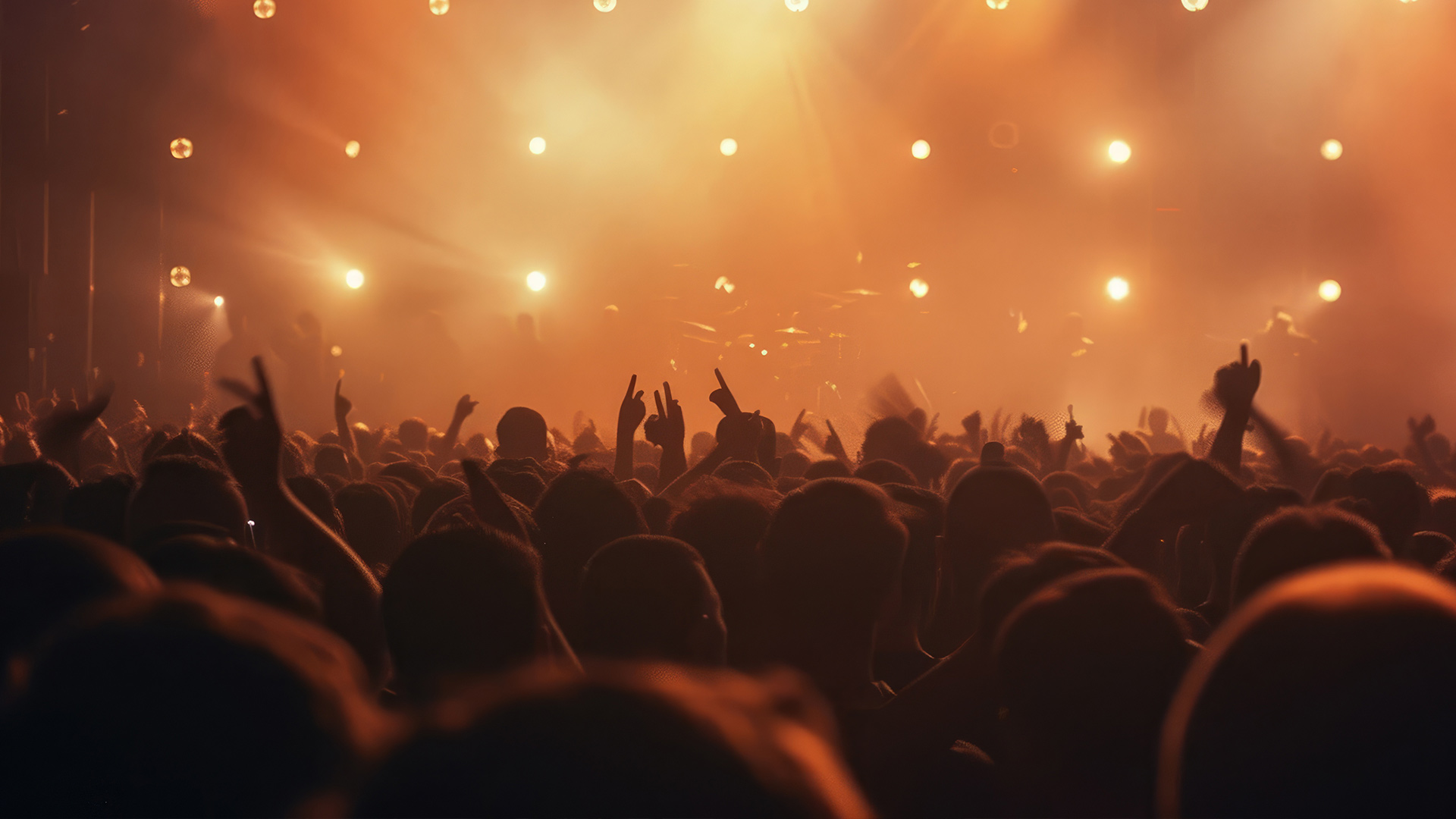
The GRAMMY Awards. The Oscars. The BRIT Awards. The MTV Video Music Awards. These are not merely entertainment events — they are watched by tens of millions of people simultaneously, scrutinized by critics and industry observers, and judged on production values that leave no room for error. The lighting direction behind these productions is among the most technically complex and creatively demanding work in the entire live event industry, and for the past two decades, the console platform that has dominated these productions — the MA Lighting grandMA series — has shaped the visual language of broadcast entertainment.
The Broadcast Lighting Environment: Different Rules Apply
Broadcast television imposes constraints on live event lighting that venue-audience productions do not face. Camera exposure — the relationship between the lighting environment’s actual brightness and the camera sensor’s optimal operating range — must be managed simultaneously across multiple camera positions with different focal lengths, different positions relative to the stage, and different exposure settings. A single grandMA3 console managing a broadcast award show lighting rig must deliver a visual environment that photographs correctly on every camera simultaneously while also delivering the dynamic visual energy that the live audience and broadcast viewer experience as entertainment. Lighting director Pat Moran, a 25-time GRAMMY technical director, has described this dual requirement as the defining challenge of broadcast lighting: the design must work on camera before it can work in the room.
The GRAMMY Awards: A grandMA Institution
The Recording Academy’s GRAMMY Awards production has used MA Lighting consoles since the introduction of the grandMA series in the early 2000s. The production’s lighting director — a position that has been held by Bob Dickinson and subsequently Andrew Ostrowski for extended periods — operates a system that on a modern GRAMMY night manages over 2,500 fixtures including Clay Paky Sharpy moving heads for aerial beam effects, Robe BMFL Spot fixtures for key lighting, SGM P-10 outdoor-rated LED battens for scenic washes, and Chauvet Professional COLORado fixtures for audience lighting. The grandMA3 full-size console at the FOH lighting position is backed by a grandMA3 light at a secondary position and a grandMA3 replay unit backstage, creating three-level redundancy appropriate for a production watched by 12-15 million American viewers.
The Oscars: When Precision Is Non-Negotiable
The Academy Awards ceremony at the Dolby Theatre in Hollywood represents perhaps the single most visible lighting production in American entertainment. The production’s camera configuration — up to 45 cameras covering the ceremony from multiple angles simultaneously — requires the lighting design to be camera-correct from every position simultaneously, a constraint that informs every fixture selection and position decision. Lighting designer Robert Dickinson managed the Oscars ceremony for over 20 consecutive years using successive generations of MA Lighting consoles, a tenure that provides a unique longitudinal perspective on the platform’s evolution. His documentation of the transition from grandMA1 to grandMA2 to grandMA3 across consecutive production cycles — discussing how each software generation changed the programming approach rather than simply upgrading the hardware — has been shared at multiple industry conferences as a case study in platform continuity across creative evolution.
Real-Time Programming: The Rehearsal Discipline
The broadcast award show production timeline is defined by its rehearsal structure: artist rehearsals beginning three to four days before broadcast night, with lighting programming happening in real time as performance segments are assembled and modified. A grandMA3 operator on a major broadcast show builds the show’s lighting cue library during rehearsals — creating sequences for each performance, working with the director to establish camera-reactive lighting transitions, and handling the constant revisions that define rehearsal culture. The grandMA3’s real-time effects engine is particularly valuable in this context: a single cue modification using the grandMA3 effects editor can update the behavior of hundreds of fixtures simultaneously without requiring manual cue-by-cue editing. On a show where the director calls 40 changes in the final day of rehearsal, this responsiveness is the difference between a programming team that delivers a complete show and one that is still catching up when the broadcast begins.
timecode and Automation: Locking Lighting to the Performance
For performance segments on broadcast award shows — where the lighting must hit specific visual moments synchronized to the music and performance choreography — SMPTE timecode automation provides the precision that human operation alone cannot guarantee. grandMA3’s timecode integration allows specific cue triggers to be locked to timecode positions, ensuring that a pyrotechnic cue, a major color shift, or a camera-light synchronization event occurs at exactly the correct moment regardless of any variation in the live performance. The timecode feed typically comes from the broadcast playback system — an Avid Pro Tools or Ableton Live session running the performance track and click alongside the broadcast audio — ensuring that the lighting automation reference is the same source as the music. BRITNEY SPEARS’ 2023 VMA performance and Taylor Swift’s surprise performance appearances at multiple award show ceremonies have used this architecture to deliver visuals that appear spontaneous while executing to millisecond-accurate preprogrammed sequences.
The Broadcast Camera System: Building Light for the Lens
The interaction between broadcast camera exposure and grandMA3-controlled lighting is one of the most technically nuanced aspects of award show production. Broadcast cameras operating at their optimal exposure require a defined luminance range in the scene — typically 400 to 800 lux for key positions — and the lighting director must maintain this range across dynamic visual sequences that may swing from intimate low-light atmospherics to full-blast concert-style aerial effects within a single song. Grandmaster control on the grandMA3 — allowing real-time overall intensity adjustment of the entire system simultaneously — is the primary tool for managing exposure adaptation during these transitions. The console’s sub-master fader architecture enables the lighting director to maintain independent intensity control over separate zones — key lighting, scenic lighting, audience lighting, aerial beam effects — while adjusting the overall exposure balance in real time based on camera feedback from the broadcast monitors at the FOH position.
The Legacy of Broadcast Lighting on Equipment Development
The requirements of broadcast award show productions have directly driven equipment development across the professional lighting industry. The demand for camera-silent moving heads — fixtures that complete pan and tilt movements quickly enough to reposition between cuts without appearing in motion in the broadcast frame — influenced Robe Lighting’s development of the BMFL Blade and its successor products, which feature position-lock programming options that prevent mid-shot movement. MA Lighting’s investment in enhanced color calibration tools in grandMA3 version 1.9 was partly driven by broadcast productions demanding that the console maintain color accuracy under the automated white balance adjustments that television cameras make in real time. The broadcast environment, with its millions of simultaneous viewers providing the most objective possible quality feedback, remains the industry’s most demanding proving ground.
