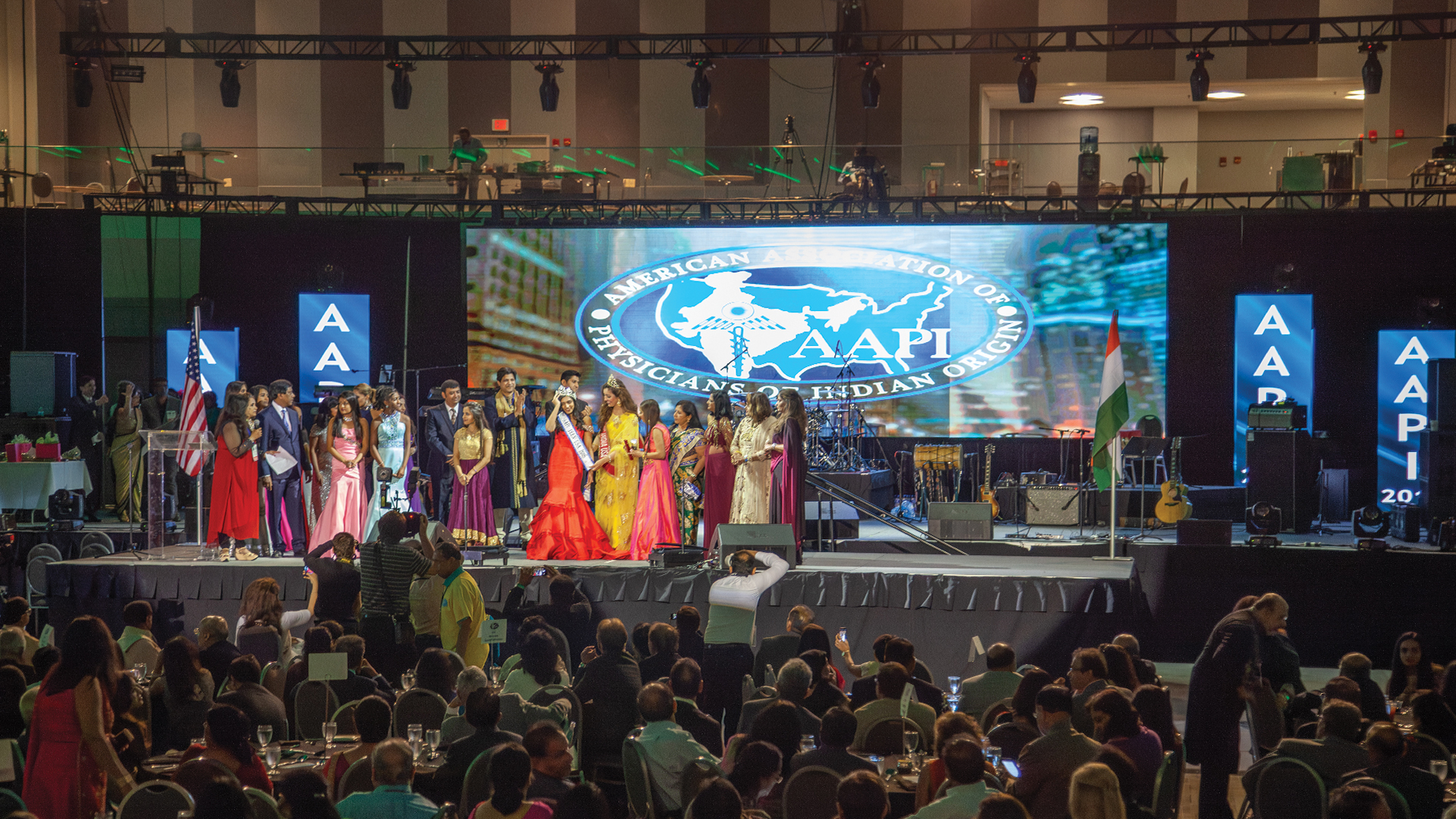
The event design called for a dramatic curved LED wall wrapping 180 degrees around the presentation stage—a visually stunning concept that created engineering challenges the planning team didn’t initially anticipate. Curved LED walls enable architectural forms impossible with flat panels, but realizing these designs requires understanding the mechanical, content, and processing considerations that curved configurations demand. Before signing rental agreements or finalizing designs, production teams need clarity on what curved LED actually involves.
Mechanical Requirements for Curves
Most LED panels mount to frames or rigging using standardized hardware designed for flat configurations. Creating curves requires either panels designed for curved assembly or custom framing that positions standard panels at angles. Products like the ROE Visual Carbon Series include adjustable frame connections enabling controlled curvature during assembly. The Absen Acclaim Series similarly accommodates curves through engineered rigging systems. Understanding which products support what degree of curvature—and whether your specific design falls within those parameters—prevents specification mistakes.
Minimum radius specifications determine how tight curves can be. Attempting curves tighter than panel design allows creates visible gaps between panels, damages mechanical connections, or both. Typical curved panels support radii down to 1-2 meters for convex curves; tighter curves require specialized flexible products like PixelFLEX FlexiLED or ROE Visual Strip configured for custom applications. Concave curves present additional challenges since panels must angle inward while maintaining alignment and structural integrity.
Content Considerations
Curved surfaces distort rectangular content. A presentation slide designed for flat display appears stretched or compressed when mapped onto curves without correction. Content warping in media servers like disguise, 7thSense, or Resolume compensates for surface geometry, adjusting imagery so it appears correct when displayed on curved surfaces. This mapping requires accurate modeling of the actual LED surface geometry—another planning step that must occur before content creation proceeds.
Viewing angle effects become prominent on curved walls. Viewers at different positions see different portions of curved surfaces at different angles. LED panels exhibit brightness falloff when viewed off-axis; a curved wall presents varying angles to any single viewing position. This variation can create visible brightness gradients across curved surfaces that flat walls don’t exhibit. Specifying panels with wide viewing angles and careful brightness calibration mitigates these effects but cannot eliminate them entirely.
Processing and Signal Distribution
Curved walls typically require the same processing infrastructure as equivalent flat installations, but the processor configuration must account for non-rectangular pixel arrangements. Brompton Technology processors excel at managing complex geometries, with their Tessera software providing tools for mapping irregular LED arrangements. Some curved installations require custom output configurations that standard processor presets don’t address—verify that your processor and engineering support can accommodate your specific geometry.
Cable management becomes more complex on curved installations. Power and data cables that run cleanly behind flat walls must navigate the angles and varying distances curved configurations create. Plan cable routing during design rather than discovering challenges during installation. Some rental companies provide curved-specific cabling solutions; others expect production teams to manage cable routing independently.
Curved LED walls deliver visual impact that flat configurations cannot match—but they require understanding and planning that straightforward installations don’t demand. Productions that approach curved LED with appropriate preparation achieve stunning results; those that assume curved installations work identically to flat ones encounter problems that compromise outcomes. The pre-rental due diligence ensures that what looks spectacular in design renders actually deploys successfully on event sites.
