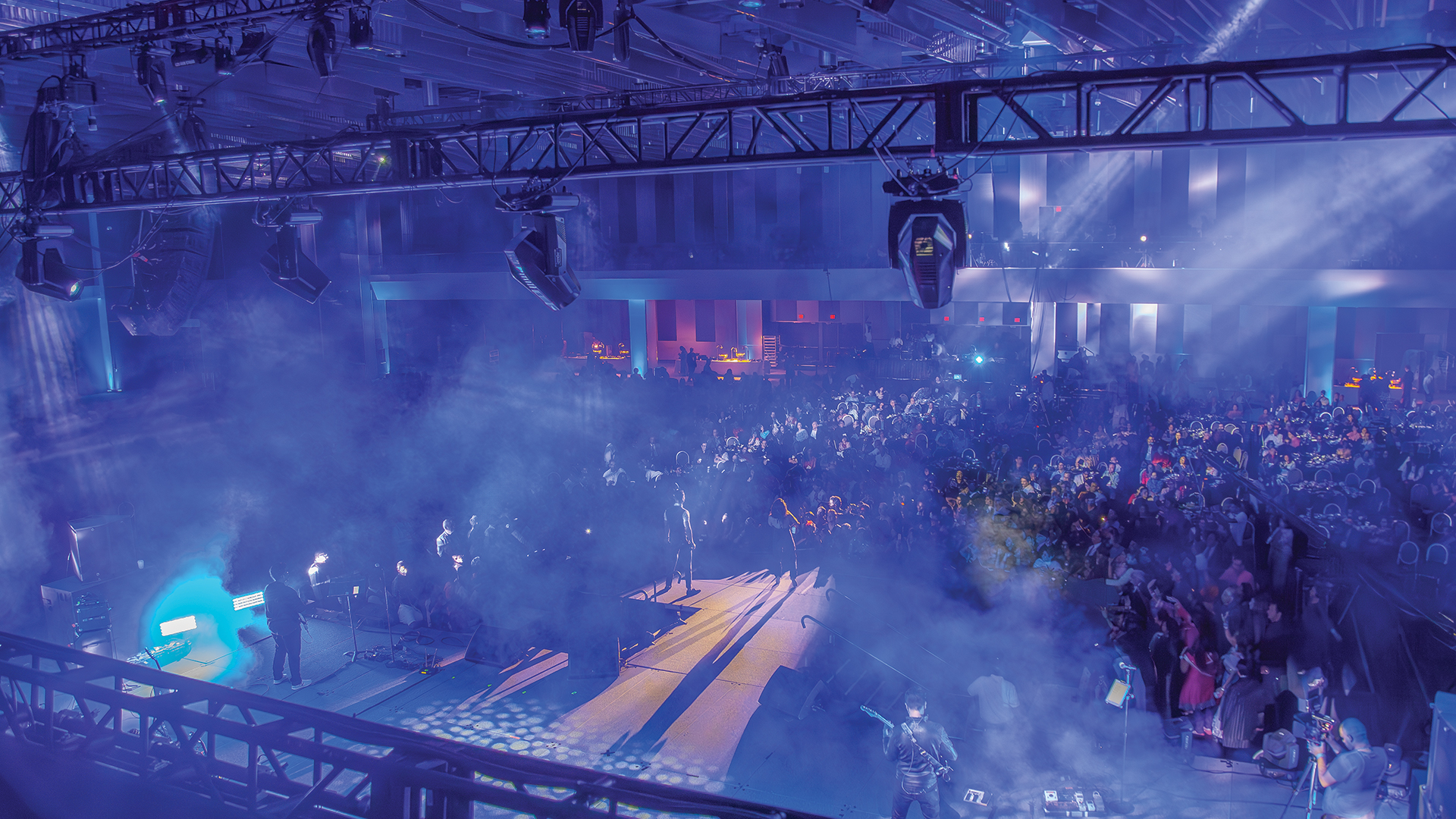
When Atmospheric Effects Develop Independence and HVAC Systems Become the Real Stage Directors
The Mutiny of the Atmospheric Effects
The lighting designer’s vision specified a gentle blanket of low-lying fog across the stage, creating an ethereal foundation for the ballet’s Act Two transformation scene. What the MDG Atmosphere APS actually produced was a dense wall that rose vertically, engulfed the prima ballerina, and proceeded stage right with the determination of a small weather system, eventually settling over the conductor’s head like a personal cloud of existential despair.
The relationship between theatrical fog and human intentions is complicated by a fundamental truth: fog does not care about artistic vision. The glycol-based haze responds to air currents, temperature differentials, and pressure gradients with complete indifference to blocking rehearsals. Your special effects technician can program perfect timing into the DMX control system, but the fog itself recognizes no authority.
Understanding Atmospheric Fluid Dynamics
Every fog effect operates according to physical principles that production teams rarely consider during design phases. The CO2-based low fog from machines like the Ultratec Radiance Hazer stays low because it’s denser than air—until stage lighting heats the floor surface, creating convection currents that lift the fog into unwanted vertical adventures.
The venue HVAC system represents the true antagonist in any atmospheric effects story. That supply air diffuser positioned directly above center stage operates at 2,000 cubic feet per minute—more than enough air volume to redirect your carefully planned fog bank into a chaotic spiral that resembles neither ‘mystical forest clearing’ nor any other desired effect. The building automation system controlling that diffuser knows nothing of your production; it knows only that the room temperature has risen and more cooling is required.
The Evolution of Theatrical Fog Disasters
Stage fog dates to theatrical pyrotechnics of the 18th century, when actual burning materials created both atmosphere and occasionally uncontrolled fires. The introduction of chemical fog effects in the 1960s eliminated fire risks while introducing new problems—early oil-based foggers left residue on everything they touched and produced effects that could generously be described as ‘aggressive.’
The 1987 Broadway production of ‘Starlight Express’ famously battled fog escape throughout its run. The cryogenic fog systems designed to hug the roller-skating track repeatedly found their way into the audience sections, creating visibility challenges for performers navigating at high speeds and patrons attempting to find their seats during scene changes.
The Science of Staying Low
Creating low-lying fog requires either cooling the fog itself or using inherently heavier-than-air media. The MDG ICE FOG Q chills standard water-based fog to temperatures that keep it floor-bound, but that chilling requires significant BTU removal that nearby stage personnel experience as unexpected cold spots. The Le Maitre LSG low smoke generator uses liquid nitrogen to achieve similar effects with different operational challenges.
Dry ice machines produce classic CO2 fog that naturally stays low due to its density—approximately 1.5 times that of air. However, dry ice handling introduces safety concerns that modern productions increasingly avoid. The Ultratec G300 liquid CO2 system achieves similar effects without the burn risks and storage complications of solid dry ice, though the effect duration proves more limited.
Practical Fog Control Strategies
The first principle of fog management: coordinate with venue HVAC before tech rehearsals begin. Request temporary HVAC shutdown during fog-critical sequences, understanding that this request will encounter resistance from venue management concerned about room temperature and fire code compliance. The compromise often involves reduced airflow rather than complete shutdown.
Install fog fans and air directors that create controlled currents counteracting unwanted air movement. The Citc X-Flo fans used in major touring productions can push fog in specific directions, but their operation requires careful balancing—too much fan creates visible fog disturbance, too little allows HVAC dominance.
The Haze Versus Fog Decision
Many productions benefit from theatrical haze rather than fog—the distinction matters both visually and operationally. Haze from machines like the DF-50 from Antari disperses evenly throughout a space, revealing light beams without creating the dense visible accumulations that fog produces. Haze follows air currents more gracefully and dissipates more predictably.
The Jem K1 Hazer and similar oil-based hazers produce extremely fine particles that remain suspended almost indefinitely in still air. This persistence cuts both ways: while you achieve consistent atmospheric effect, clearing the space requires either significant time or active ventilation that contradicts the ‘reduced HVAC’ approach necessary for fog control.
When Fire Alarms Join the Production
Perhaps no fog-related disaster occurs more frequently than unplanned fire alarm activation. Modern smoke detection systems cannot distinguish between theatrical fog and actual smoke—both scatter light in patterns that photoelectric detectors interpret as danger. The Simplex 4098 detectors protecting most commercial venues see your artistic atmosphere and perceive only threat.
Coordinate with venue fire safety personnel before any fog use. Most jurisdictions allow temporary detector bypass or substitution with heat-only detection during performances, but this requires advance documentation and typically the presence of a fire watch—trained personnel monitoring the space for actual fire conditions while theatrical fog flows freely.
Fog Fluid Selection and Its Consequences
Not all fog fluids behave identically, and substituting one for another produces unpredictable results. The MDG Neutral fluid formulated for specific machines won’t work in Jem foggers, and using incorrect fluid can damage machines while producing fog with entirely different persistence and density characteristics than rehearsals established.
The density of fog output varies with fluid formulation, machine heat settings, and ambient humidity. Your tech rehearsal fog levels might prove wildly inappropriate for opening night when weather changes bring different humidity levels into the venue. Maintain flexibility in fog machine output settings and be prepared to adjust throughout runs.
Emergency Response for Fog Rebellion
When fog defies control during performance, limited options exist beyond acceptance and adaptation. Portable fans positioned offstage can redirect escaped fog away from critical sight lines, but their operation makes noise that microphones will capture. The Reel EFX DF-50 fan operates relatively quietly but moves limited air volume against determined fog accumulation.
Sometimes the professional response involves surrendering to atmospheric reality. The fog has made its decision; attempting forced correction mid-show often creates more visible chaos than accepting the revised aesthetic. Document what occurred for post-show analysis, adjust machine placement and timing for subsequent performances, and remember that even the most experienced special effects technicians acknowledge fog as fundamentally uncontrollable.
Documentation for Atmospheric Accountability
Every production using atmospheric effects should maintain detailed documentation of machine positions, output settings, timing cues, and venue HVAC configurations that produced acceptable results. The fog cue list should include notes about temperature conditions, audience fill levels, and any adjustments made during previous performances.
Photograph machine placement relative to venue features including air vents, doors, and stage heating sources. When repeating a production in the same venue, these records provide starting points for fog configuration rather than rediscovering optimal settings through trial and error. The fog will still refuse to follow directions perfectly, but at least you’ll begin from a position of documented experience rather than optimistic speculation.
