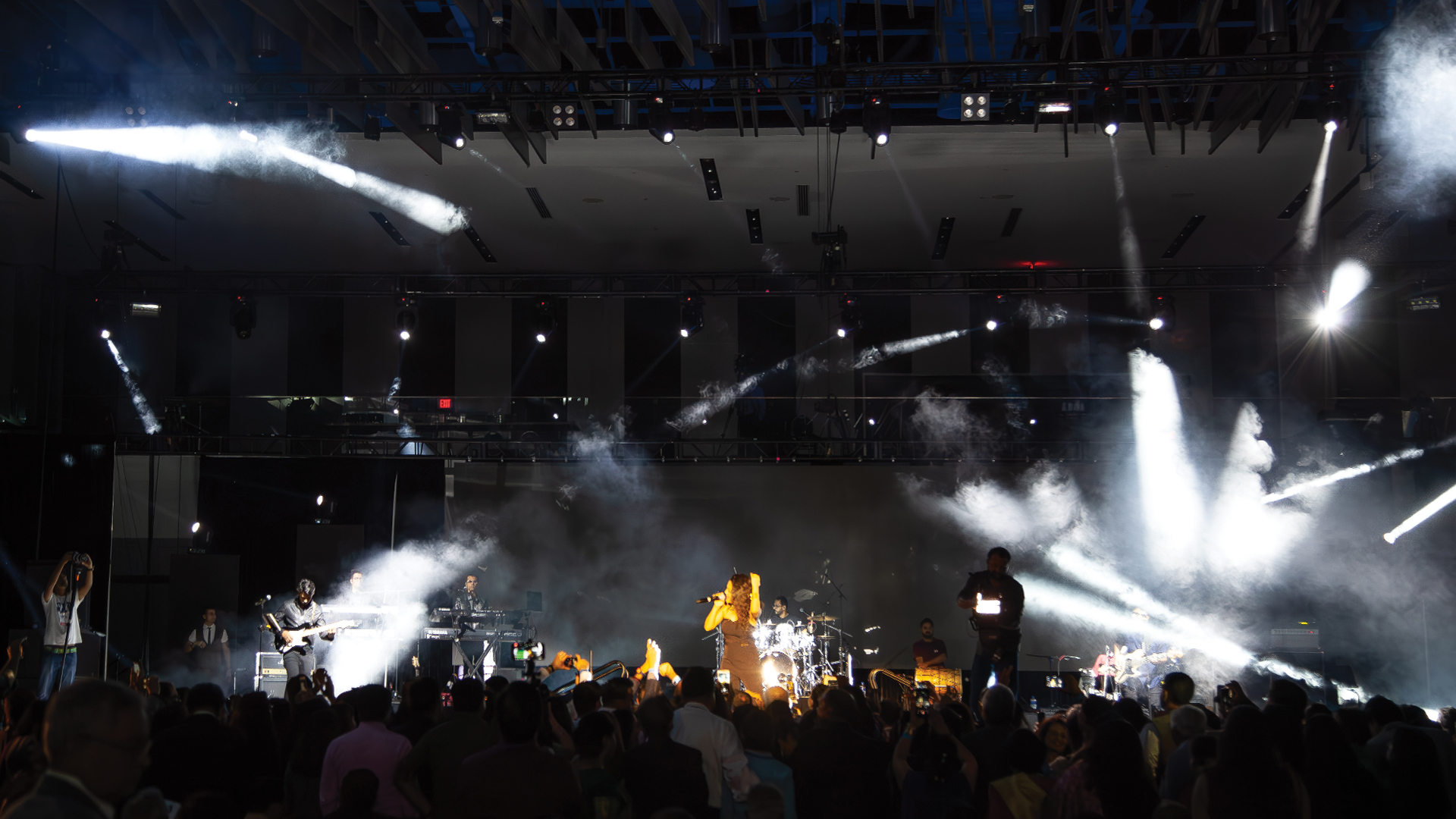
When Your Rig Decides Certain Performers Deserve More Illumination Than Others
The Fixtures With Opinions About Talent
The lighting plot specified identical coverage for all five vocalists. The ETC Source Four LED Series 3 fixtures hung at matching heights, focused at matching angles, and programmed to matching intensity values. Yet somehow, the center vocalist radiated like a deity while the performers flanking them appeared to exist in perpetual dusk—a discrepancy the lighting designer spent three hours trying to explain to increasingly frustrated talent.
The phenomenon of uneven lighting coverage despite identical specifications haunts productions regularly. Individual LED fixture units vary in output due to manufacturing tolerances, aging, and thermal conditions. That Chauvet Professional Maverick MK3 measuring 112% of nominal output sits next to a unit measuring 94%—a difference invisible in specifications but obvious under performance conditions.
Understanding Fixture-to-Fixture Variation
Every manufacturing process produces variation. The LED emitters in your Robe ESPRITE fixtures come from binned batches with acceptable but non-identical output characteristics. Two fixtures might both meet factory specifications while differing by 15% in actual light output—enough to make one performer appear significantly brighter than another.
The color rendering varies similarly. The phosphor coatings converting LED wavelengths to usable white light differ slightly between units, creating color temperature variations that cameras notice even when human eyes don’t. Your carefully matched warm white wash might render one performer’s skin flatteringly while making their neighbor appear vaguely ill.
Historical Challenges of Consistent Coverage
The tungsten-halogen era featured different consistency challenges. The PAR 64 lamps dominating concert lighting in the 1980s produced relatively consistent output, but their beam patterns varied wildly based on lamp orientation within fixtures. Rotating a lamp 180 degrees shifted the beam enough to completely change coverage—a ‘feature’ that kept electricians busy during focus sessions.
The introduction of automated fixtures created new favoritism possibilities. Early Vari-Lite VL5 units developed tracking accuracy issues that caused focus drift during shows. A fixture tracking one performer might gradually migrate its beam toward their neighbor, creating unintended lighting narratives that audiences interpreted as artistic intent.
The Focus Precision Problem
Even perfectly matched fixtures produce favoritism through focus variations. The pan/tilt mechanisms in moving head fixtures include mechanical tolerances that compound over time. Your Martin MAC Encore units might all receive identical position commands while actual beam positions vary by degrees—enough to illuminate one performer’s face while missing another’s entirely.
The encoder calibration that determines position accuracy requires regular maintenance that touring schedules rarely accommodate. Fixtures developing encoder drift don’t report problems to the console—they simply execute commands with increasing inaccuracy until someone notices that the downstage left key light now illuminates downstage center.
Practical Solutions for Equitable Illumination
Implement fixture intensity matching during tech rehearsals using calibrated measurement. The Sekonic C-800 spectrophotometer can measure actual fixture output at identical distances, revealing which units require intensity compensation. Your lighting console intensity values become correction factors rather than absolute outputs.
The GrandMA3 fixture library includes calibration features that adjust for unit-to-unit variation. Program intensity curves that account for measured output differences, ensuring that ‘100%’ from every fixture produces equivalent illumination on stage. This calibration data should travel with the show file, reapplied whenever the production loads.
Color Matching Across Your Rig
Color favoritism proves subtler but equally problematic. The RGBW LED mixing in modern fixtures produces colors through additive blending that varies with individual emitter characteristics. The ‘white’ produced by one Ayrton Perseo might skew warmer than its neighbor, creating the impression that certain performers receive more flattering treatment.
Use virtual color matching in your console programming to compensate for unit variations. The ETC Augment3d color engine allows fixture-specific adjustments that produce consistent color across your rig. The time invested in color matching pays dividends when talent stops asking why their background dancers look healthier than the lead.
Thermal Effects on Fixture Favoritism
Fixtures operating at different temperatures produce different outputs. The LED thermal management in your Claypaky Axcor Profile 900 units reduces output as internal temperatures rise—a protection mechanism that creates visible variation when some fixtures run hotter than others due to airflow differences or positioning.
Position fixtures with attention to thermal environment. Units near venue heat sources or in poorly ventilated truss positions will thermal-throttle earlier than their cooler neighbors. The discrepancy becomes visible as shows progress—coverage that appeared matched at the start develops favorites by the time encores arrive.
Age-Related Performance Degradation
LED output degrades over time through lumen depreciation—a gradual process that affects fixtures at different rates based on operating hours and thermal history. A lighting rental house providing fixtures from mixed inventory sends units with varying usage histories that produce visible output differences.
Track fixture operating hours and group units with similar usage for productions requiring matched coverage. The RDM protocol allows console queries of fixture runtime data, enabling inventory management that prevents extreme mismatches. Your DMX network can report which fixtures have logged 5,000 hours versus 500—information directly relevant to output matching.
Emergency Response for Visible Favoritism
When favoritism becomes visible during performance, limited correction options exist. Console intensity adjustments provide the fastest response—boost the underperforming fixture’s output while reducing its neighbors. The Hog 4 programmer view allows rapid intensity manipulation without disrupting programmed cues.
For systematic issues, fixture substitution at intermission may be necessary. Keep backup units of critical key light fixtures accessible during shows. When the primary spot on the lead vocalist develops thermal issues or mechanical problems, swap time matters more than diagnosis—replace first, investigate later.
Documentation for Consistent Results
Maintain fixture calibration records that travel with your production. Document measured output values, color temperature readings, and position accuracy for every unit. When fixtures change between venues, this documentation enables rapid recalibration rather than rediscovery of correction requirements.
Your lighting fixtures don’t play favorites consciously—they perform according to their individual characteristics within manufacturing and maintenance tolerances. Professional lighting design acknowledges these variations and compensates through measurement, calibration, and vigilant monitoring. The goal isn’t identical fixtures; the goal is equivalent illumination regardless of fixture variations.
