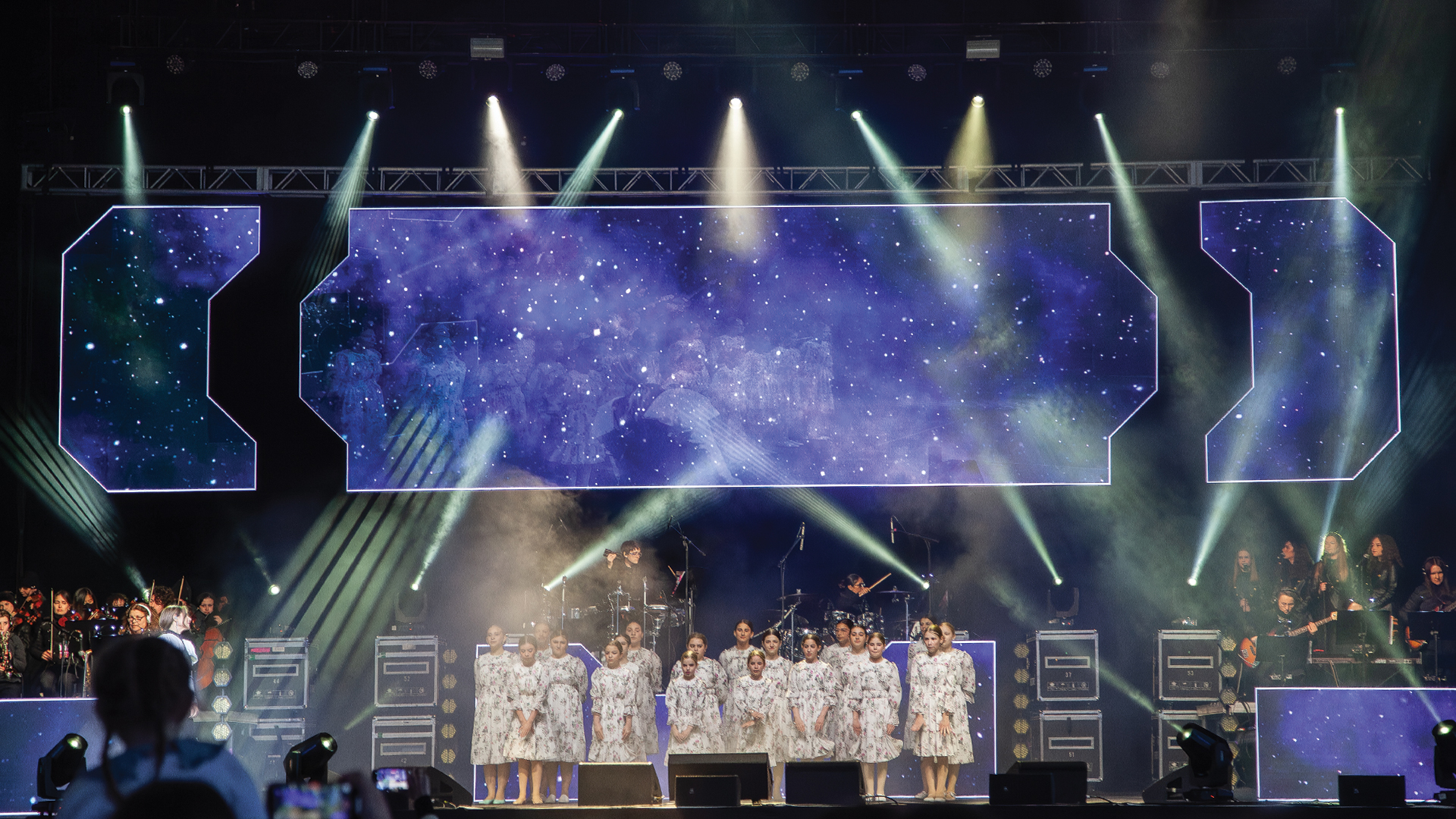
The truck arrives at 6 AM, backing into the loading dock of a convention center that hasn’t finished clearing yesterday’s trade show. The production manager has twelve hours to transform an empty ballroom into a broadcast-ready keynote venue complete with LED walls, line arrays, theatrical lighting, and multicamera video production. Every minute of that twelve hours has been planned, sequenced, and coordinated across six departments and forty technicians—because the alternative is chaos, overtime, and a technical director screaming into a headset at 5:45 PM that the LED wall isn’t ready for rehearsal. Load in and load out planning represents the unglamorous backbone of live event production, where logistics mastery separates professionals from pretenders.
The Anatomy of a Production Timeline
Effective load in planning begins weeks before trucks arrive, with advance work that establishes the parameters all subsequent decisions must respect. The venue provides CAD drawings showing door dimensions, ceiling heights, power locations, and rigging points. Production management surveys these documents for constraints—a loading door width that limits case dimensions, a low ceiling section that affects lighting trim heights, power capacity that determines whether generators are needed. The advance packet compiled from this research becomes the foundation for all planning, shared with department heads who develop their own implementation strategies within its constraints.
The production schedule sequences activities in logical order, respecting dependencies between departments. Rigging must complete before lighting can fly. Staging must set before video positions can land. Audio cable runs must route before scenic covers them. Working backward from show time, the schedule allocates hours to each phase with buffers for problems that inevitably arise. Software like MasterTour, Prism, or Vectorworks Spotlight helps visualize these sequences, but experienced production managers often rough out schedules on paper before refining digitally—the spatial relationships that govern dependencies benefit from human intuition.
Historical Context: The Evolution of Production Logistics
Touring production logistics evolved dramatically from the arena rock era of the 1970s through today’s corporate events. Early tours operated with minimal advance planning—crews arrived, surveyed the venue, and improvised solutions to whatever challenges appeared. Bill Graham‘s operations at the Fillmore and Winterland established many practices still used today, including detailed production riders and standardized technical requirements. The transformation of touring into big business through the 1980s formalized these practices, with production managers becoming distinct professionals separate from stage managers or technical directors.
The corporate event industry adopted touring practices while adapting them to venue diversity. Unlike concert touring, which returns to the same arenas repeatedly, corporate productions often occur in hotel ballrooms, convention centers, and unique venues with no standardized infrastructure. This variability elevated advance work from helpful to essential—surprises discovered during load in create problems that carefully documented advances prevent. IATSE (International Alliance of Theatrical Stage Employees) locals became crucial partners, providing skilled labor familiar with local venues while requiring careful coordination through union stewards and business agents.
Truck Pack Strategy: The Foundation of Efficiency
How equipment loads into trucks determines how quickly it can deploy at venues. Reverse load order packing places equipment needed first at the truck’s rear, accessible immediately upon opening doors. Rigging hardware and truss typically load last (unload first), followed by staging components, then lighting, video, and audio equipment. Cases packed with specific shows in mind—LED panels grouped by wall position, cable trunks organized by destination—eliminate the sorting delays that occur when equipment arrives randomly mixed.
Case labeling systems accelerate unloading significantly. Color-coded labels distinguishing departments help loaders route cases to correct staging areas without reading every tag. RFID tracking from systems like Rentman or Current RMS enables real-time inventory verification as cases pass through warehouse and venue doors. Numbering cases in installation sequence means technicians can unpack in order without hunting through stacks for the next component. These details seem minor individually but compound across hundreds of cases and dozens of events into substantial time and cost differences.
Staging Areas and Traffic Flow
Physical space management during load in prevents the bottlenecks that destroy schedules. Designated staging areas for each department provide organized spaces where equipment accumulates before installation. These areas must be positioned to minimize travel distance while remaining accessible from loading doors. Marking staging areas with tape before trucks arrive establishes clear territories that loaders can identify without constant supervision. The alternative—equipment landing wherever convenient—creates search-and-retrieve operations that consume hours.
Traffic flow planning ensures that equipment movement doesn’t create conflicts. The path from loading dock to staging area to installation position should be clear and consistent. When audio cable trunks must cross paths with LED panel carts, scheduling the crossings at different times prevents collisions. Wide venues with multiple loading doors can establish one-way traffic patterns that keep equipment flowing without backtracking. Production managers who walk venues during advance specifically note these traffic considerations, identifying pinch points where congestion will occur and planning sequences that avoid simultaneous heavy traffic.
Labor Call Optimization
Labor represents the largest variable cost for most productions, making call optimization critical for budget management. Staggered calls bring specialists when their work begins rather than having everyone arrive at load in start. Riggers arrive first to establish flying points. Electricians follow to run power. Department-specific technicians appear as their equipment reaches installation readiness. This staggering reduces idle time while ensuring skilled hands are available precisely when needed.
Union jurisdictions require careful navigation in many venues. IATSE contracts specify which work falls under which local’s jurisdiction—rigging might be one local while video falls under another. Minimum call requirements, meal penalties, and overtime calculations vary by contract and location. Production managers who understand these rules build schedules that respect jurisdictional boundaries while minimizing penalty exposure. Breaking for meals before the six-hour mark avoids meal penalty costs while giving crews necessary rest. Scheduling critical tasks during straight time rather than overtime periods reduces costs without extending overall timelines.
Contingency Planning: When Murphy Visits
No load in survives contact with reality entirely intact. Equipment arrives damaged. Trucks get delayed. Key personnel get sick. Venues reveal surprises that advances didn’t discover. Effective planning includes contingency time built into schedules rather than optimistic assumptions that everything will proceed perfectly. A rule of thumb allocates 15-20% additional time beyond minimum requirements for problem absorption. This buffer might not all be needed, but when it is, its presence prevents catastrophic schedule failures.
Backup plans for critical path items provide additional resilience. If the LED wall processor fails, where is the backup and how quickly can it deploy? If weather delays the truck carrying lighting fixtures, what sequence changes minimize downstream impact? Critical path analysis identifies the sequence of activities where delays directly postpone completion—these items deserve particular contingency attention. Secondary activities that can shift without affecting the overall timeline provide flexibility for absorbing problems. The production manager who knows which delays matter and which don’t can make real-time adjustments confidently rather than panicking at every setback.
Communication Systems During Load In
Coordinating dozens of technicians across a venue requires robust communication infrastructure. Production radio channels segregate departments while enabling cross-communication when needed. A typical setup might dedicate Channel 1 to production management, Channel 2 to audio, Channel 3 to video, Channel 4 to lighting, and Channel 5 to staging/rigging. Clear channel discipline prevents cross-talk while ensuring each department can reach its members instantly. Motorola and Kenwood radios remain industry standards, though Clear-Com FreeSpeak and Riedel Bolero systems provide superior full-duplex communication for complex productions.
Regular status meetings synchronize progress across departments. A brief all-hands stand-up every two hours brings department heads together to report progress, flag problems, and coordinate upcoming sequences. These meetings might last only five minutes but prevent the communication gaps that create surprises. The production manager facilitates, ensuring all voices are heard while keeping discussions focused on actionable information. Written status updates distributed via Slack or similar platforms provide documentation and reach stakeholders not physically present in the venue.
Load Out: The Forgotten Half
Productions often lavish attention on load in while treating load out as an afterthought—a costly mistake. Load out occurs when crews are tired, adrenaline from the show has faded, and the temptation to rush is strongest. Equipment damaged during careless load out creates costs that proper planning prevents. Striking in reverse installation order—last installed, first struck—maintains logical sequence while ensuring dependencies are respected. Lighting can’t strike until rigging is ready; rigging can’t strike until floor is clear.
Client and venue schedules often compress load out windows severely. A Saturday evening event might require complete strike by midnight when Sunday setup crews need the space. Working backward from hard out time establishes which elements must begin striking during the event’s final sessions. Soft strike begins while final sessions continue, removing equipment from areas no longer needed without disrupting remaining program. Audio might remain fully operational while lighting in the back half of the room begins striking. This parallel approach requires coordination but enables faster overall departure than sequential striking permits.
Documentation and Continuous Improvement
Post-event debriefs capture lessons for future improvement when conducted promptly. What worked well? What caused problems? Where did the schedule prove accurate or optimistic? This feedback loop improves planning accuracy over time, building institutional knowledge that benefits subsequent productions. Many companies maintain venue-specific files documenting quirks, contacts, and lessons learned that inform advances for return visits. The production manager who reviews last year’s debrief notes before planning this year’s event avoids repeating mistakes.
Template schedules for common production types accelerate planning while incorporating proven sequences. A corporate keynote template might allocate specific hours to each phase based on historical performance, adjusted for venue size and production complexity. These templates provide starting points rather than rigid requirements—each production requires customization—but they prevent reinventing basic sequences for every event. Shared across organizations through internal wikis or project management systems, templates spread best practices and standardize approaches that reduce errors.
The difference between productions that execute smoothly and those that stumble into overtime and stress often comes down to planning quality. The hours invested in advance work, schedule development, and contingency planning pay dividends when trucks arrive and clocks start ticking. Load in planning may lack the creative satisfaction of show design or the technical challenge of system optimization, but it creates the conditions that enable everything else to succeed. Without solid logistical foundations, even the most innovative designs fail in execution. The best production managers understand that their invisible planning makes visible success possible—and they take professional pride in transformations that appear effortless precisely because they were planned so thoroughly.
