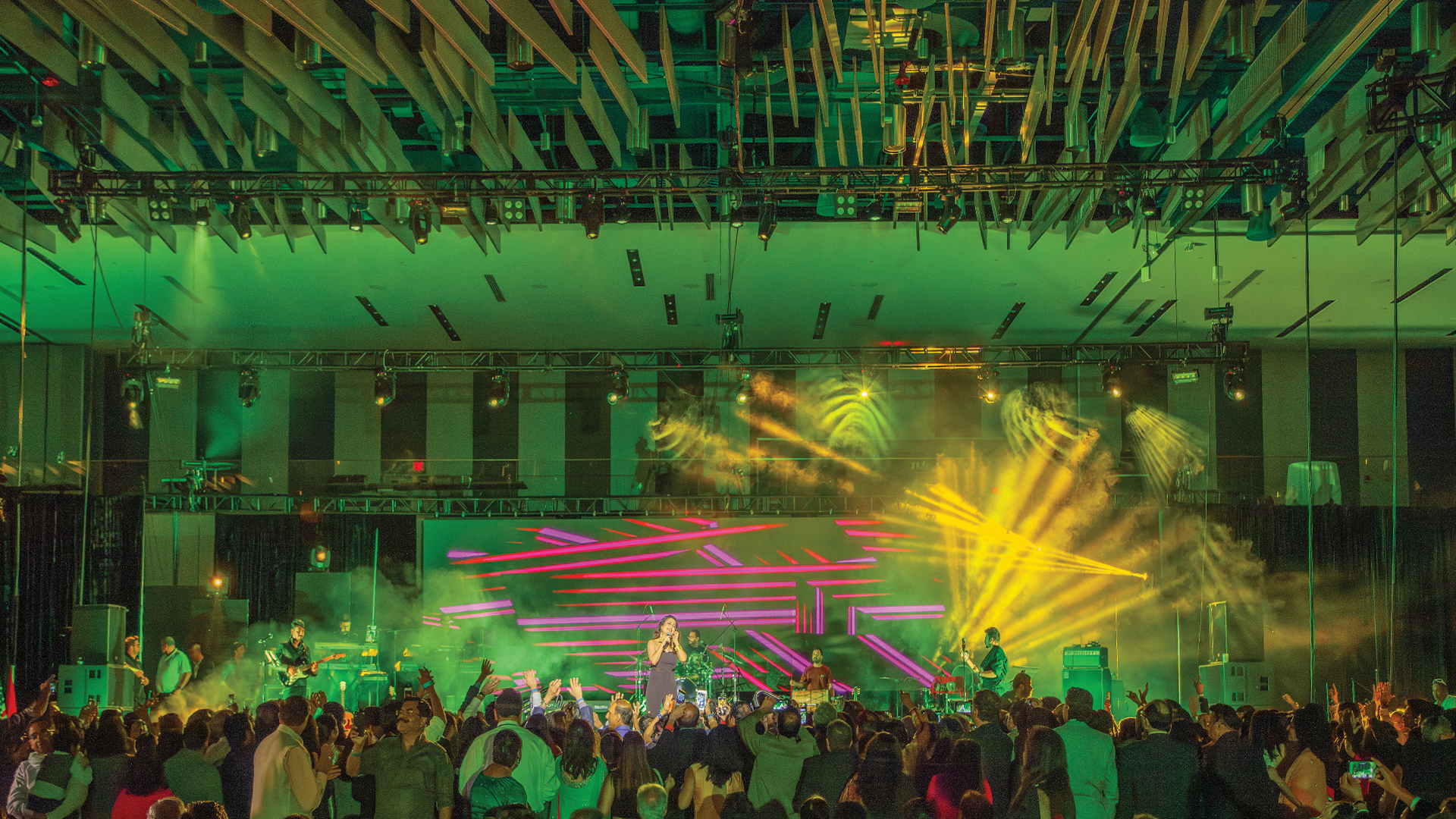
Understanding Moving Head Lighting
Moving head lights are versatile, programmable fixtures capable of rotating, tilting, and changing beam angles, color, and effects in real time. They are essential tools for modern concerts, corporate shows, festivals, and theatrical performances. By incorporating moving head lighting into stage design, event planners can create dynamic visuals, emphasize performers, and build immersive atmospheres that captivate audiences.
Unlike static fixtures, moving heads allow light to move and interact with performers, props, or other stage elements, adding depth, motion, and drama to any production.
Key Features of Moving Head Lights
To create dramatic effects effectively, it’s important to understand the capabilities of moving head fixtures:
-
Pan and Tilt: Allows precise movement across the stage for sweeping light patterns or targeted focus.
-
Adjustable Beam Angles: Wide washes, narrow beams, and spot effects provide flexibility for different lighting needs.
-
Color Mixing: RGBW, CMY, or LED color wheels enable vibrant, dynamic color changes.
-
Gobos and Patterns: Project shapes, textures, or custom logos to add visual complexity.
-
Dimmer and Strobe Effects: Control intensity and create rapid flashing or pulsing effects for heightened energy.
By leveraging these features, designers can craft intricate lighting sequences that enhance storytelling and emphasize key moments on stage.
Planning Your Stage Layout
Effective use of moving head lighting starts with proper stage planning. Consider:
-
Focal Points: Identify where performers, speakers, or displays will be, and allocate moving heads to highlight these areas.
-
Beam Coverage: Ensure overlapping beams don’t create unwanted hotspots or shadows.
-
Height and Placement: Mount fixtures on trusses, stands, or floor positions for optimal coverage and movement range.
-
Integration with Other Lighting: Combine with washes, spotlights, and LED walls to enhance depth and contrast.
A well-planned layout ensures that moving head effects complement the overall production rather than overwhelming it.
Creating Drama Through Movement
The most impactful way to generate drama with moving heads is through motion. Strategies include:
-
Sweeping Beams: Large, slow movements across the stage can create anticipation or highlight transitions.
-
Rapid Pan/Tilt Changes: Quick movements generate excitement and energy, ideal for concert intros or dynamic reveals.
-
Synchronized Movement: Pair light movement with music, video, or live action to reinforce the rhythm or mood.
-
Layered Motion: Use multiple moving heads with different speeds and angles to create depth and a sense of motion across the stage.
Movement creates visual tension, guiding audience attention and enhancing the emotional impact of a performance.
Using Color for Emotional Impact
Color dramatically influences mood and perception. Moving heads allow for rapid color changes to reinforce the narrative:
-
Warm Colors (Red, Orange, Yellow): Create excitement, intensity, or warmth.
-
Cool Colors (Blue, Green, Purple): Evoke calm, mystery, or sophistication.
-
Dynamic Color Shifts: Gradually transition colors to match storytelling or musical tempo.
-
Complementary Schemes: Combine contrasting colors to draw attention to focal points or stage features.
Using moving head lighting with intentional color choices amplifies emotion and creates memorable visual moments.
Incorporating Gobos and Textures
Gobos allow moving heads to project patterns, textures, or custom shapes onto the stage, walls, or floor. Techniques for creating drama include:
-
Abstract Patterns: Swirls, lines, or geometric shapes add dynamic movement without distraction.
-
Thematic Images: Logos, symbols, or thematic visuals reinforce branding or narrative.
-
Layered Gobos: Overlapping textures from multiple moving heads create depth and complexity.
Gobos expand the creative potential of moving head lighting, making the stage feel more alive and visually engaging.
Timing and Cues
Drama is as much about timing as it is about light intensity or color. Effective cueing techniques include:
-
Music Synchronization: Match light movement and color shifts with beats or tempo changes.
-
Spotlighting Key Moments: Focus beams on performers during critical actions or speeches.
-
Gradual Builds and Climaxes: Slowly intensify or move lights to build anticipation, then release with dramatic peaks.
-
Transitions Between Scenes: Use movement, strobing, or color shifts to signal scene or segment changes.
Well-timed cues turn technical lighting into a storytelling tool that amplifies performance drama.
Integrating with Other Stage Elements
Moving head lights work best when combined with other audiovisual elements:
-
LED Walls: Synchronize visuals on screens with moving head cues for immersive multi-sensory experiences.
-
Smoke or Haze Machines: Enhance light beams for visibility and atmospheric effects.
-
Stage Props and Set Pieces: Project onto architectural features to expand the visual space.
-
Live Performance Interaction: Allow lights to follow performers’ positions or respond to gestures.
Integration ensures that moving head lighting contributes to a cohesive, dramatic stage environment.
Safety and Maintenance
Proper setup and maintenance are crucial for reliability and audience safety:
-
Secure Rigging: Trusses, clamps, and mounts must be rated for the fixture weight.
-
Cable Management: Avoid trip hazards and ensure uninterrupted power supply.
-
Regular Cleaning: Dust and debris can reduce output and damage optics.
-
Firmware and Calibration: Keep fixtures updated and calibrated to maintain performance.
Following these practices ensures dramatic effects without compromising safety or reliability.
Advanced Techniques
-
Choreographed Light Shows: Program complex sequences for concerts or large-scale productions.
-
Interactive Lighting: Use sensors or software to allow lights to respond in real-time to performers or audience movement.
-
Hybrid Visuals: Combine moving heads with projection mapping or AR elements for cutting-edge experiences.
-
Layered Intensity: Adjust beam width, color, and gobos simultaneously to create multi-dimensional drama.
Advanced techniques transform moving head lighting from a technical tool into a powerful storytelling medium.
Conclusion
Creating drama with moving head lighting requires a combination of fixture knowledge, stage planning, color theory, movement design, and integration with other AV elements. By leveraging motion, color, gobos, timing, and interaction, event designers can elevate any performance, corporate show, or concert, turning a standard stage into a visually compelling and immersive experience.
